· Akira Agent
Missed booking calls in Stockholm restaurants: how to calculate lost covers and recover them with AI
Use missed-call math to decide whether a Stockholm restaurant needs an AI phone agent for booking overflow, guest questions, and safe human handoff.
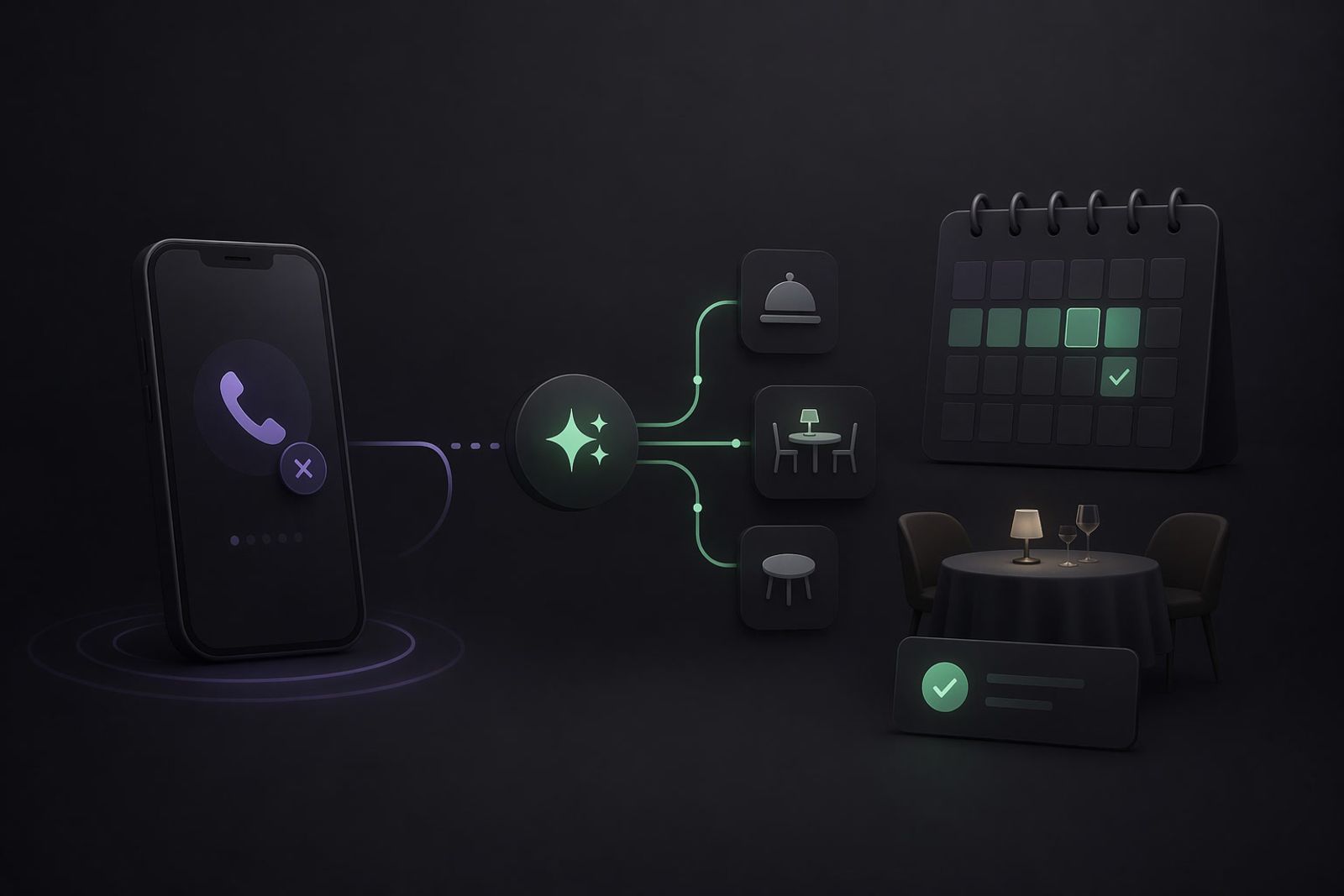
A missed restaurant call is not just a missed conversation. It can be a lost table, a cancellation that never gets refilled, a catering request that goes to a competitor, or a guest who wanted a simple answer before booking. For Stockholm restaurants, the problem usually appears during the exact moments when the team is least able to answer: lunch rush, dinner prep, service, and late evening.
An AI phone agent is useful when it handles the repetitive edge of that work: taking booking details, answering opening-hour questions, routing group requests, and escalating anything sensitive. The goal is not to replace a host. It is to stop easy revenue from leaking out while the host is busy with guests in the room.
Start with the missed-call math
Before buying software, write down three numbers for the last two weeks: estimated missed calls, average booking size, and average value per cover. If ten missed calls per week include four genuine booking attempts, and two would have become a table for four, the monthly loss can become visible quickly. Treat the result as decision math, not a promise. The point is to decide whether call handling is worth auditing.
Speed matters in lead response. A widely cited Harvard Business Review study found that companies were far more likely to qualify leads when they responded quickly. Restaurant bookings are not B2B leads, but the operational lesson is similar: the longer the silence, the more likely the guest tries somewhere else.
What the AI should handle
- Basic booking requests: date, time, party size, name, phone number, and special notes.
- Frequently asked questions: opening hours, location, accessibility, menu boundaries, and booking policy.
- Overflow routing: missed calls during service, after-hours calls, and calls when the host is already speaking to someone.
- Escalations: complaints, allergies, payment issues, VIPs, large groups, and anything the restaurant wants a human to approve.
Where the handoff matters
The best restaurant AI agents are not fully autonomous. They are bounded. They know when to stop, what to collect, and who should review the request. A group booking for 18 people may need a manager. A guest mentioning a serious allergy should trigger a human handoff. A normal two-person reservation can often be captured and sent into the existing booking workflow.
If your restaurant already uses a reservation system, the AI agent should fit around it rather than forcing another dashboard. Akira Agent builds these workflows around the tools the business already uses. For hospitality examples, see Akira Agent’s hospitality page.
A practical first build
The first version should be narrow: answer overflow calls, capture booking requests, send structured summaries, and escalate exceptions. That is easier to test than a broad “AI receptionist” project. You can measure missed-call recovery, staff interruptions, booking errors, and guest experience before expanding.
Book the audit
If calls are being missed during service, start with a 30-minute audit. We will map when calls arrive, what guests ask for, which calls should stay human, and whether an AI phone agent would pay for itself. Book the 30-minute Akira Agent audit.