Case study · Altavinis
From supplier PDFs to a searchable wine catalogue
Akira Agents helped Altavinis turn a 151-page PDF catalogue into a searchable digital experience, supported by an AI workflow that populates, updates and verifies its product database—including different pricing for three customer groups.
87 producers · 792 wine references · Three customer pricing structures
The business opportunity
Altavinis supplies wine to restaurants, specialist wine retailers and other business customers. Previously, customers explored its range through PDF price lists, with the consolidated catalogue stretching to 151 pages.
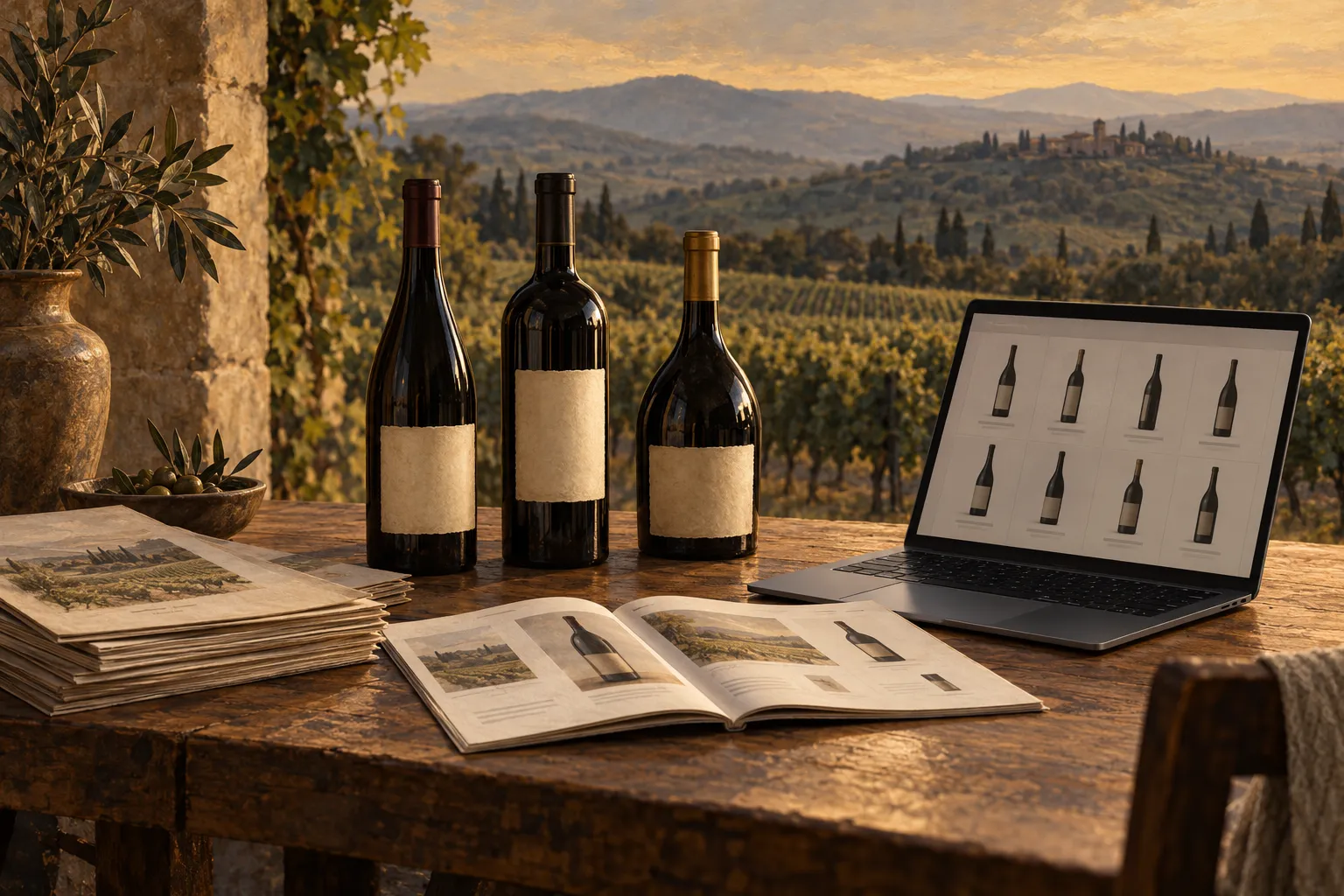
The ambition was to make the range easier to discover: a digital catalogue where customers could search, filter and explore wines, with bottle images and pricing relevant to their business.
But the manual work required to populate and continually update the underlying database had prevented the project from going ahead.
The challenge: hundreds of wines, multiple pricing structures
Altavinis works with 87 producers, each supplying PDFs in different formats, with different pricing structures and commercial terms.
Building the database meant creating 792 product records, sourcing the correct bottle images and extracting each producer’s prices and conditions.
The same wines also had different pricing for restaurants, specialist wine retailers and other business customers. Creating each product record once was only part of the task: the corresponding prices and terms needed to be recorded and maintained for all three customer groups.
Within those groups, quantity thresholds also varied between producers. One might offer a particular rate at 24 bottles, another at 32. Transport charges, conditions for included delivery and special promotions added further detail.
Every update required keeping these variations aligned with the latest supplier information.
The initial setup represented an estimated minimum of two working weeks of manual work. At an estimated one hour per producer, updating all 87 producers each month would represent 87 hours—roughly two working weeks of recurring manual work.
Adding new producers would bring further work: extracting their ranges, sourcing images and incorporating their different prices and commercial terms.
That workload made the catalogue difficult to justify at Altavinis’s scale.
What we built
We built the customer-facing catalogue, an admin panel and an AI workflow that manages the product and pricing information behind them.
A searchable catalogue with relevant pricing
Customers can search, filter and browse individual wines, with bottle images and prices appropriate to their customer group, alongside applicable quantity thresholds and commercial conditions.
A shared product database
We populated the database with 792 wine references from 87 producers, extracting information from their PDFs and sourcing bottle images.
Each wine has a shared product record connected to the different customer pricing structures. This keeps product information together while preserving the distinctions between restaurant, specialist retailer and other business pricing.
The database also captures producer-specific quantity thresholds, transport conditions and special offers.
An automated update and verification workflow
The merchant manages producers’ email addresses in the admin panel. The agent uses that list to identify incoming supplier updates.
- Read incoming information. An agent reads emails from the listed producers and analyses attached PDF price lists.
- Update the database. It extracts product information, customer-specific prices, quantity thresholds, transport terms and promotions, then updates the corresponding records.
- Verify against the source. A second agent compares the updated database records with the source PDF to check that the information matches.
- Request human review. The merchant receives an email asking him to verify new or updated prices.
Human review remains an additional safeguard during the system’s early operation, alongside the automated verification.
What changed
Altavinis now has a searchable catalogue covering 87 producers and 792 wine references, with different pricing for three customer groups and a repeatable process for keeping the database current.
Customers can explore the range and find the prices relevant to them. The merchant reviews prepared updates instead of manually extracting and entering every variation.
The value extends beyond the initial catalogue. As supplier prices and conditions change, the workflow handles the recurring data work that previously made the project impractical.
Akira Agents made a new sales capability achievable by automating the work required to populate and maintain its underlying database.
“I never thought this project would be practical for our business. The first time I saw the catalogue, I realised what a difference it would make. It made our range so much easier to explore that I discovered wines I didn’t even know we had.”
— Altavinis
Workload estimates describe the anticipated equivalent manual effort, rather than measured net time savings. Monthly maintenance assumes updates across all 87 producers, excludes onboarding new producers and does not deduct the human review that remains. No separate workload multiplier has been applied for the three customer pricing structures.