· Akira Agent
AI receptionist for installers: missed-call ROI for service companies
Installers, contractors, HVAC teams, plumbers, and electricians lose opportunities when calls go unanswered. This guide shows how to calculate whether an AI receptionist is worth it.
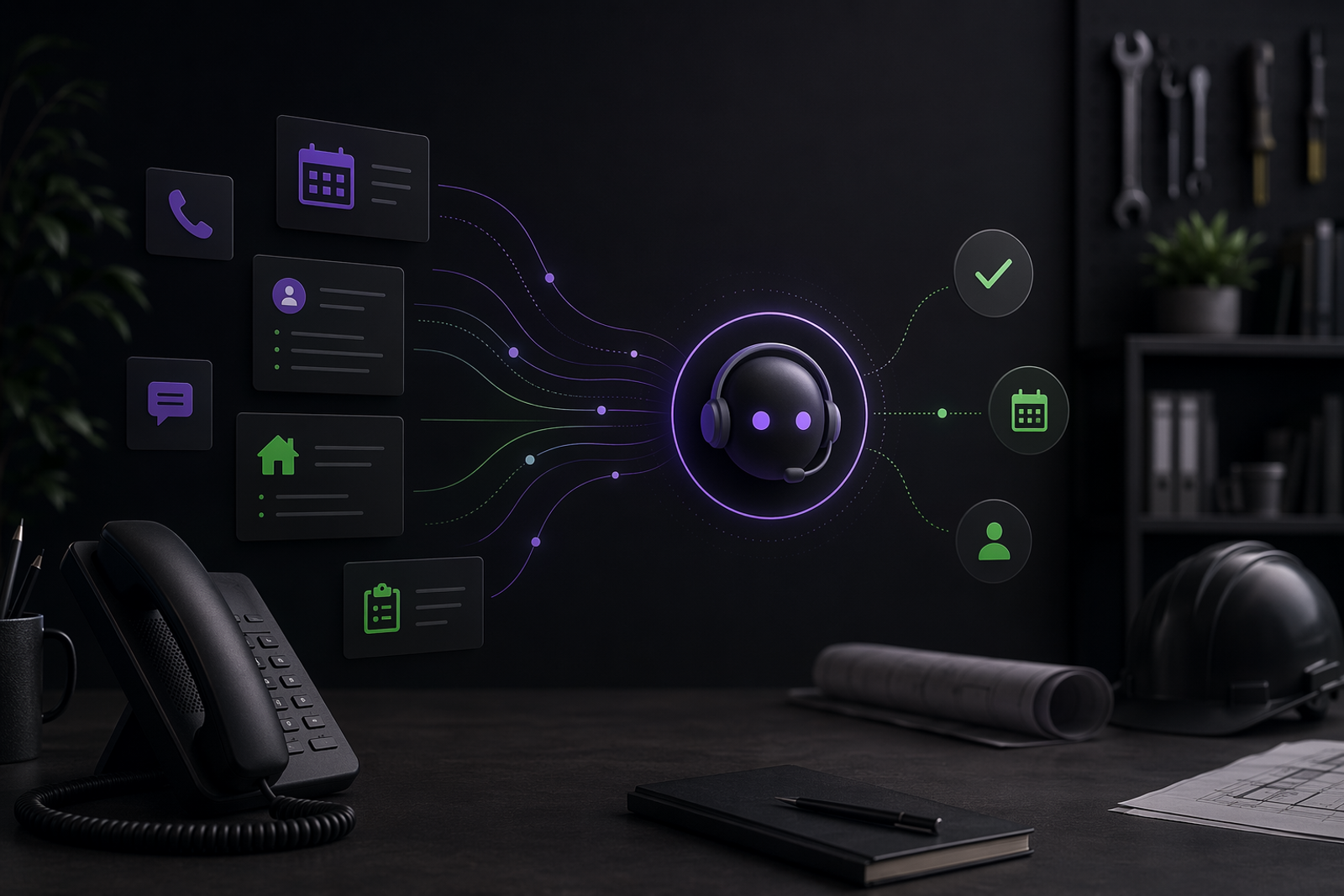
Installers do not lose work only because of price. They lose work in the gap between "customer calls" and "someone gets back to them."
That gap is easy to ignore because it rarely shows up as a line item. The phone rang during a job. A quote request came in after hours. A customer wanted a small repair and called three companies. Your team meant to call back. The work went somewhere else.
An AI receptionist will not fix a bad service offer. It can fix the intake gap: answer, ask the right questions, book simple visits, collect quote details, and route urgent jobs to a human.
This article is for installers, HVAC teams, plumbers, electricians, field-service companies, and other appointment-based businesses that want to know whether AI call handling is worth the cost.
Why missed calls hurt installers more than most businesses
Home-service calls often have urgency. A leak, broken heating, failed installation, power issue, or urgent quote request does not sit politely in an inbox until Monday.
Invoca has written about the cost of missed sales calls in home services and why phone calls remain important for high-intent customers: how much missed sales calls cost home services businesses.
The important point for your business is not someone else's average. It is your own call pattern.
Look at the last 30 days:
- how many inbound calls came in?
- how many were missed?
- how many voicemails were left?
- how many callers got a same-day callback?
- how many became booked jobs?
- how many quote requests were incomplete?
If you cannot answer those questions, that is the first problem an audit should fix.
What an AI receptionist should handle
For installers, the agent should not pretend to be the project manager. It should handle structured intake.
Useful tasks include:
- answer when staff are on jobs
- collect name, phone, address, and service type
- ask urgency questions
- identify whether the job fits your service area
- book a callback or appointment when rules are clear
- collect photos or notes through a follow-up link if needed
- send summaries into email, CRM, or job-management tools
- escalate emergencies or high-value cases
The agent is a front door, not the whole company.
For the broader comparison, see AI receptionist vs virtual assistant vs call center.
The missed-call ROI formula
Use decision math, not hype.
Start with:
`monthly inbound calls × missed-call rate = missed calls`
Then:
`missed calls × qualified lead rate × booking rate × average gross profit per job = estimated monthly opportunity`
Use gross profit, not revenue, if you can. Revenue looks exciting. Gross profit is closer to what the business actually keeps after materials, subcontractors, and job costs.
Example with placeholder numbers:
- 300 inbound calls per month
- 18% missed
- 40% of missed calls would have been qualified
- 35% of qualified calls would have booked
- 2,500 SEK gross profit per job
`300 × 0.18 × 0.40 × 0.35 × 2,500 SEK = 18,900 SEK estimated monthly opportunity`
That does not mean an AI receptionist will recover all of it. It means the problem is worth measuring. If the agent cost is lower than the recoverable value and staff time saved, a pilot may make sense.
Do not automate every call
Some calls should go to a human quickly:
- emergencies
- angry customers
- complex project quotes
- warranty disputes
- safety issues
- unclear address or access requirements
- jobs outside normal pricing rules
A good AI receptionist asks enough to route the call. It should not improvise policies that your team has not approved.
That is why voice agents and chatbots are different. If customers call because the issue is urgent or hard to type, a voice workflow matters. Akira has a separate guide on chatbots vs voice agents.
What to connect first
Keep the first version boring.
Good first integrations:
- shared inbox
- calendar
- CRM or job board
- SMS/email follow-up
- quote intake form
- call summary storage
Avoid deep system access until the call flow is tested. The first pilot should prove that the agent can capture accurate job details and escalate correctly.
The implementation checklist
Before launch, write down:
- service areas
- job types you accept
- job types you reject
- emergency rules
- business hours
- booking rules
- what information is required for a quote
- who receives urgent alerts
- when the agent stops and hands off
This is where many AI projects become real. The agent is only as clear as your operational rules.
AI receptionist vs hiring another admin
Hiring may be the right move if you need judgment, relationship handling, and coordination all day. A call center may be right if you need human coverage across many edge cases. An AI receptionist is strongest when the workflow is repeatable and the main loss is speed or availability.
The practical question is not "AI or humans?" It is: which calls deserve human attention, and which calls just need reliable intake?
What Akira would check in the audit
For installers, the 30-minute audit should inspect:
- call volume and missed-call pattern
- quote intake steps
- booking rules
- emergency handoff
- current tools
- staff time spent on phone/admin
- the smallest useful pilot
If the numbers do not work, do not build. If the leak is obvious, start with a focused phone agent and measure it for a few weeks.
The practical answer
An AI receptionist makes sense for installers when missed calls, slow quote intake, or after-hours requests are costing more than the agent would cost to run. It should answer quickly, collect clean job details, and hand off anything risky.
If you want to run the numbers, book a 30-minute Akira Agent audit. We will identify the workflow costing time or revenue, define the handoff rules, and decide whether an AI receptionist is worth building.