· Akira Agent
AI agent vs FAQ chatbot: when support needs context and ownership
When a FAQ chatbot is enough, and when customer support needs an AI agent that can interpret context, collect input, and escalate with ownership.
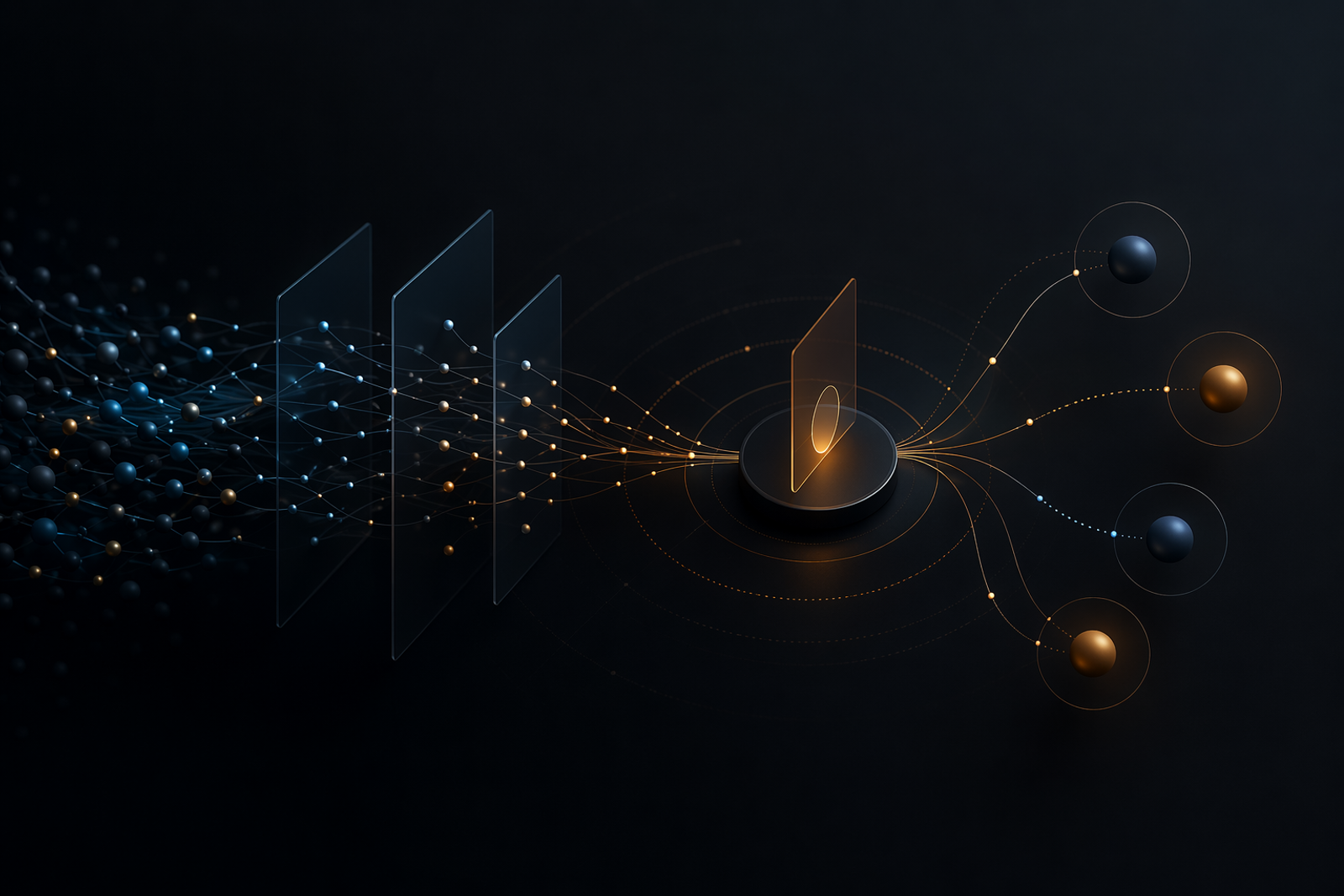
AI agent vs FAQ chatbot: when support needs context and ownership
Short answer: a FAQ chatbot is enough for stable standard answers, but an AI agent is needed when the case requires context, ownership, and safe handoff.
Why this is not a normal chatbot question
A FAQ chatbot works when the question is known, the answer is stable, and the customer only needs to find information faster. It becomes weaker when the case requires history, prioritization, system checks, or ownership of the next step.
That is where an AI agent becomes relevant. The agent should not only give an answer. It should understand case context, collect missing input, suggest a handoff, and know when a human must take over.
The workflow the agent should own
A first agent workflow can be narrow: incoming support cases without order numbers, cases with contract risk, reopened questions, or complaints that need quick triage.
The agent can read approved knowledge sources, check previous customer contact, ask follow-up questions, and create a short summary for the right team. It should not pretend to be a complete support platform. It should improve the handoff.
Controls to build in
Set boundaries for which systems the agent may read, what data it may use in replies, and which decisions require human approval. Clear escalation rules matter more than long prompts.
For customer data, the design should use data minimization, logging, retention, and access control. If the agent handles sensitive cases, human review should be part of the workflow from day one.
What leadership should measure
Measure how often the customer gets a useful next step, how many cases still lack context after first contact, time to the right handoff, and how often the team corrects the agent summary.
If the measurement only shows more automated replies, the project has drifted. The value is less friction between the customer problem and the team that owns it.
When Akira Agent fits
Akira Agent fits when support already has knowledge and systems, but still loses time on context, prioritization, and handoff. Then the agent needs to be built around real workflows and improved over time.
If you only want to show five standard answers on a website, a FAQ chatbot is probably the better fit. If cases require ownership, several systems, and safe stop rules, Akira Agent is the right level to map.
Checklist
- Separate FAQ questions from cases that require ownership
- Choose one high-friction support workflow
- Define which sources the agent may read
- Set stop rules for compensation, contracts, and personal data
- Measure handoff quality, not only automated reply volume
Related Akira reading
- AI agent vs helpdesk automation
- AI agent prioritization
- Human review rules for AI agents
- Safe AI agent rollout
Sources and further reading
- Zendesk: chatbot overview
- NIST AI Risk Management Framework
- Atlassian: what is ITSM?
- NIST AI Risk Management Framework
Next step
Book a 30-minute workflow audit. You will leave with one concrete agent flow, the risks to check, and a clear first scope.
If you only want to show five standard answers on a website, a FAQ chatbot is probably the better fit. If support needs context, ownership, and safe handoffs, Akira Agent is the right level to map.